Stories On Country
The Multiple Oral Versions Of The Three Sisters Rock
Introduction
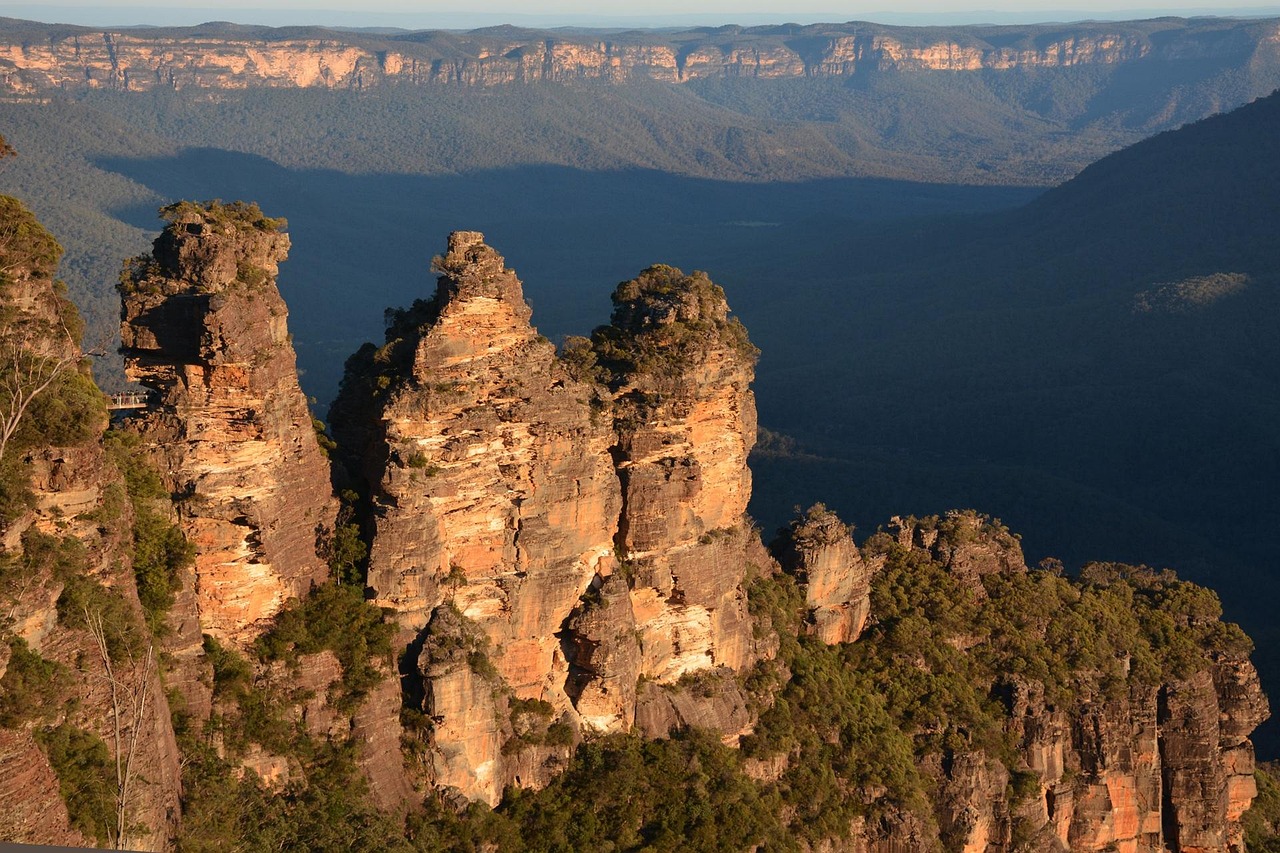
The three sisters are a famous sandstone rock formation in the Blue Mountains region of New South Wales,
Australia. They stand on the cliff north of Jamison Valley, close to the town of Katoomba. The names of
these three towering rock pillars are: Meehni (about 922 meters), Wimlah (about 918 meters), and
Gunnedoo (about 906 meters).
Aboriginal Legends
In the local Aboriginal cultures (such as the Gundungurra people and the Darug people), these three
rocks also carry legends: It is said that these three sisters once lived in the canyon with their
father. Later, a conflict caused them to be transformed into rocks to protect them from harm; however,
their father failed to restore them to their original state, so these three rocks have become the three
sisters we see today.
Bilingual Place Names And Honorifics
Dual-Naming System
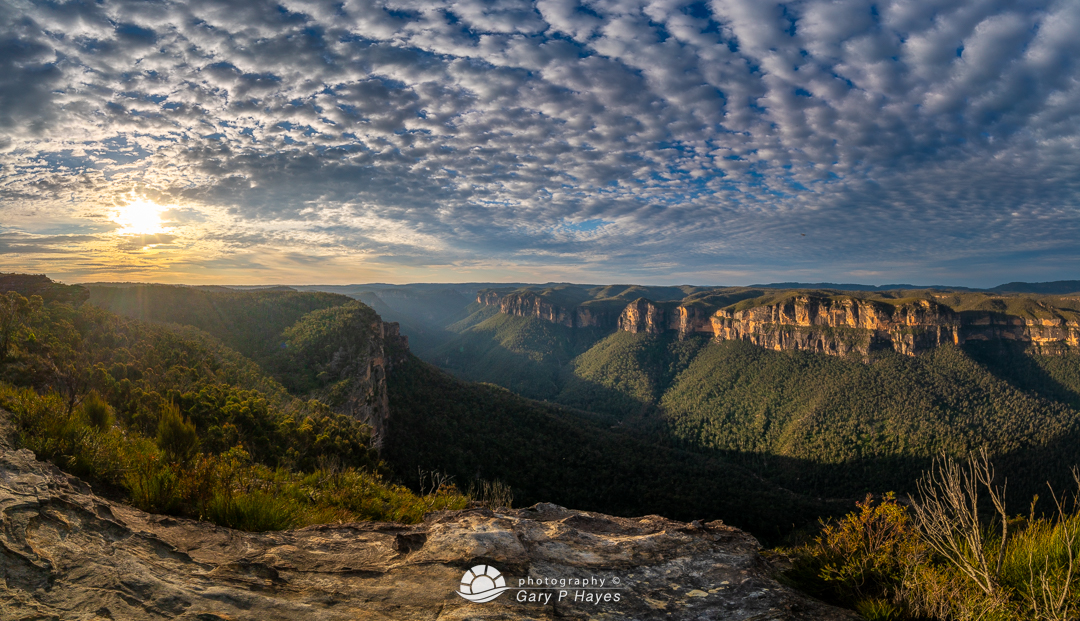
In the Blue Mountains region, bilingual place names and honorific titles reflect the dialogue between
the indigenous cultural heritage and the colonial history. Many place names are now used in both the
indigenous language and English, such as Blue Mountains' Gulumada and the three sisters Meehni, Wimlah,
and Gunnedoo. This dual-naming system not only acknowledges the deep cultural connection between the
Dharug and Gundungurra clans and this land, but also helps preserve those language identities that were
suppressed during the colonial period.
Cultural Continuity
The honorific titles named after explorers or colonizers remind us that the history of this land is
multi-layered. Today, by restoring and presenting the indigenous names alongside the English names, the
Blue Mountains region is promoting cultural understanding and respect, allowing people to re-understand
this unique land from a dual perspective of history and the present.
Contemporary Continuity And Reconciliation
Living Connection
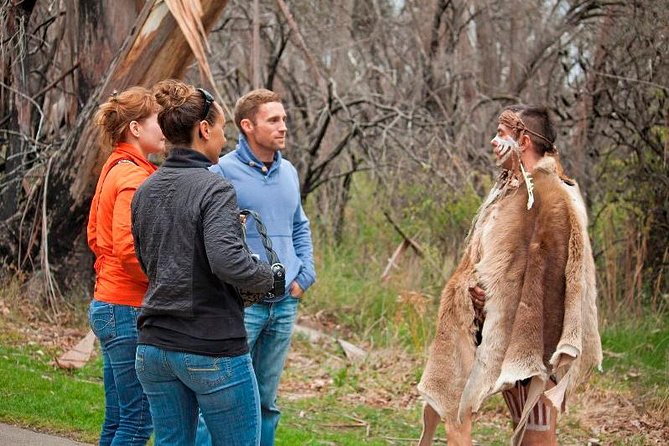
In the Blue Mountains region, contemporary continuity and reconciliation demonstrate the continuous
connection between the Dharug and Gundungurra communities and this land. Through cultural activities,
the transmission of traditional knowledge and joint land management, these communities still maintain
their guardianship of the land and identity recognition in the present.
Reconciliation Efforts
The Blue Mountains Municipal Government, through reconciliation actions such as recognition and Statement of Recognition, as well as
the Aboriginal Consultative Committee, strives to acknowledge historical injustices and build a mutually
respectful and mutually developing future. This ongoing cooperation reminds us that Aboriginal culture
does not remain in the past, but is an active and important component of the contemporary natural and
social structure of the Blue Mountains.